Living in New Zealand: Fur Seals

Click to see options for using the image
New Zealand first seals were hunted to the brink of extinction in the early 19th century (it seems most of the early settlers came to NZ to kill whales or seals). Now they litter the rocks in places like Ohau point near Kaikoura. There were lots of pups and when we stopped there in January. This is great to see as the colony was badly disrupted during the 2016 earthquake and subsequent rockfalls when more than 40 seals were killed. It took a year for the coast road to be repaired (during which seals had to be moved) .
You can also go swimming with seals in Kaikoura. I did this when I was a backpacker in 1996 and it was one of the best experiences of the two months I spent in New Zealand. The seals are very playful, like underwater dogs. It is amazing to get so close to them. This is something that is not recommended when they are on the shore, where they become very territorial.
More information on fur seals here.
New Zealand Garden Diary: Composting and Bokashi
We haven't had a green waste bin ever since it disappeared with the tenants. Luckily we are on 1200 square metres and we can compost most of our green waste. What we can't compost (meat etc.) goes in the bokashi bin.

Click to see options for using the image
My friend, Felicity, says bokashi has been miraculous at improving her garden. I hope so as it is it is a lot of work to lug it up to the back section and dig it in. Bokashi works using anaerobic fermentation with effective microorganisms (lactic acid bacteria, yeasts, photosynthetic bacteria, actinomycetes and fungi according to biome.com.au).. These come in the form of a bran which you sprinkle over your food waste. The airtight seal on the bucket keeps the fermentation anaerobic and there is another bucket below to catch the liquid (which can be diluted and used as a plant food.
You can put in things you cannot put in compost like meat, cheese, fish and cooked foods like bread rice and pasta. The only thing you can't put in is liquids. Even bones can go in there and I put in the poor little mice that we trap in the kitchen cupboard. Once the bin is full, you can leave it to ferment longer or bury it in the garden straight away. It is like blood and bone on steroids.

Living in New Zealand: The Moa

Click to see options for using the image
One of the great things about tramping in New Zealand is that you don't have to worry about animals that might kill you (there are plenty of other things that could kill you when hiking in New Zealand, but none of them are animals). The moa became extinct when humans arrived in New Zealand in the middle of the last millennium. It might not have killed anyone, but it would have frightened the bejeezus out of me to come across it on a walk.

Living in New Zealand: What Should Have Been a Short Tramp up to Sign of the Packhorse

Click to see options for using the image
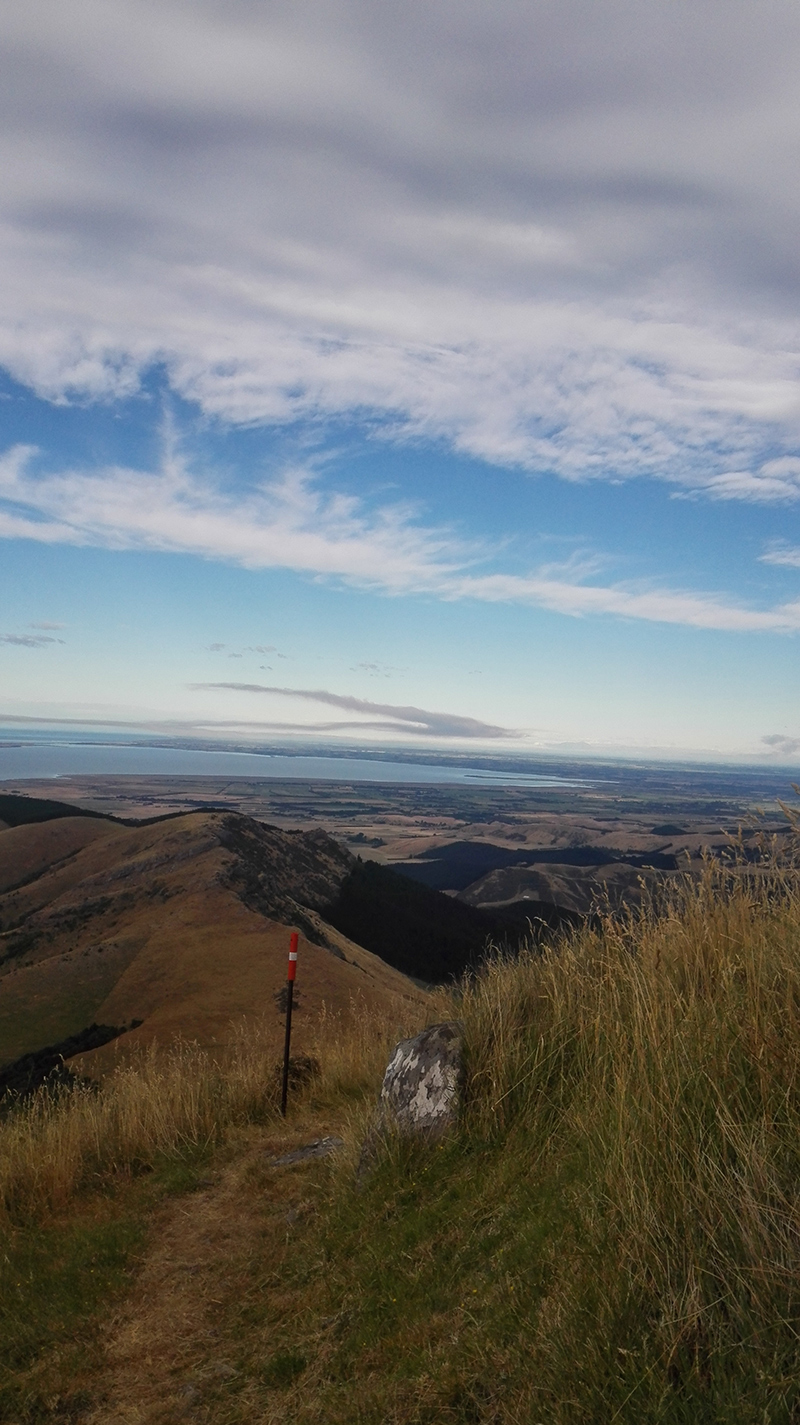
When an Australian friend of mine arranged to come and visit us for a few days, I thought it would be nice to go on a classic New Zealand tramp. My friend is not used to hiking long distances (and neither am I at the moment), so I decided that the walk up to Sign of the Packhorse hut via the Kaituna Valley would be a good choice. This hike is popular with families taking their children tramping for the first time. It should take only about an hour and a half to walk from the car park to the hut. If you go to the right way. Which we didn't.
It was totally my fault as chief navigator. I was complacent about following the trail because of its apparent ease. I read the description rather than looking at the map and when I saw the first marker and a farm track going left I thought that was the farm track we were supposed to follow. In fact the well-marked track continued straight on. It was only as we were nearing the summit that I realised that the Remarkable Dykes were on the right when they should've been on the left.
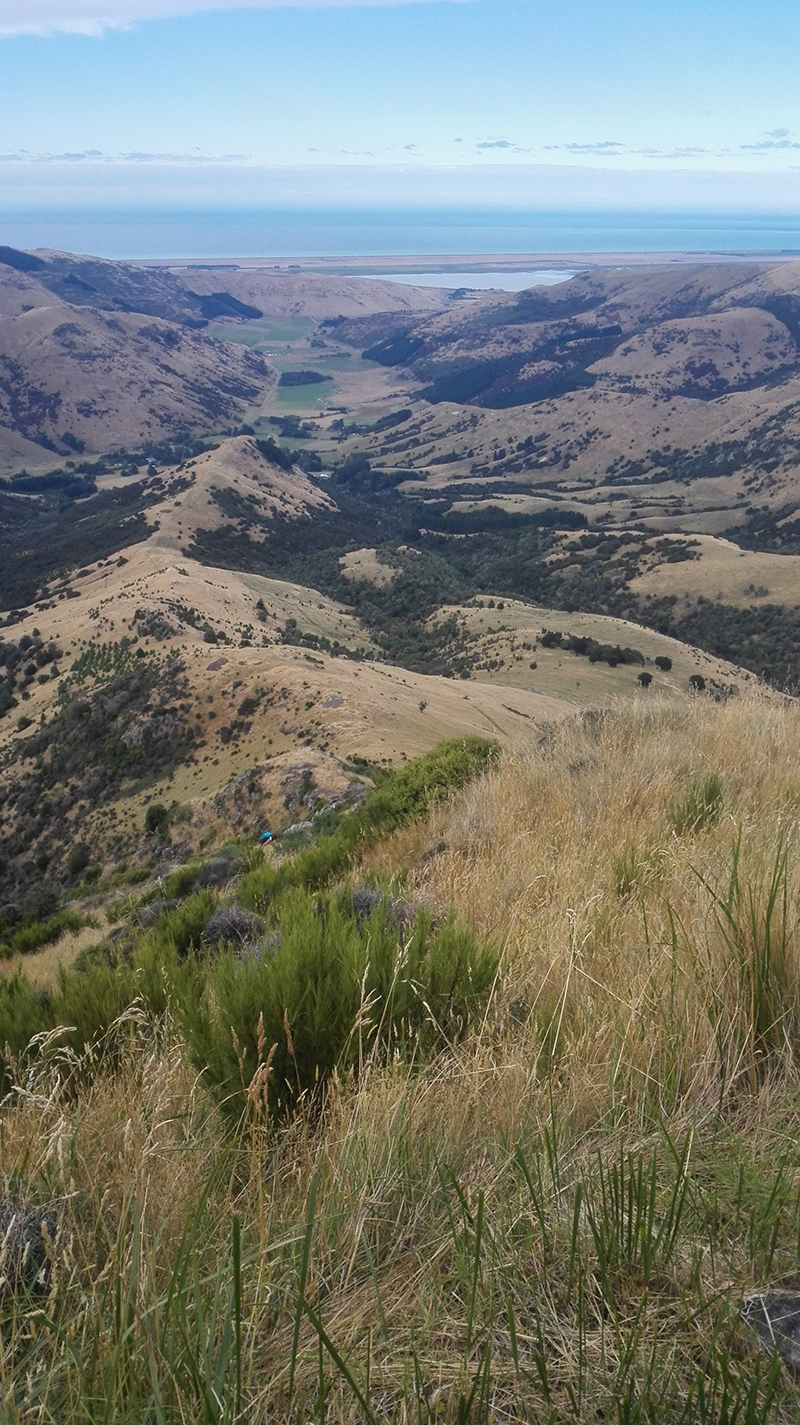
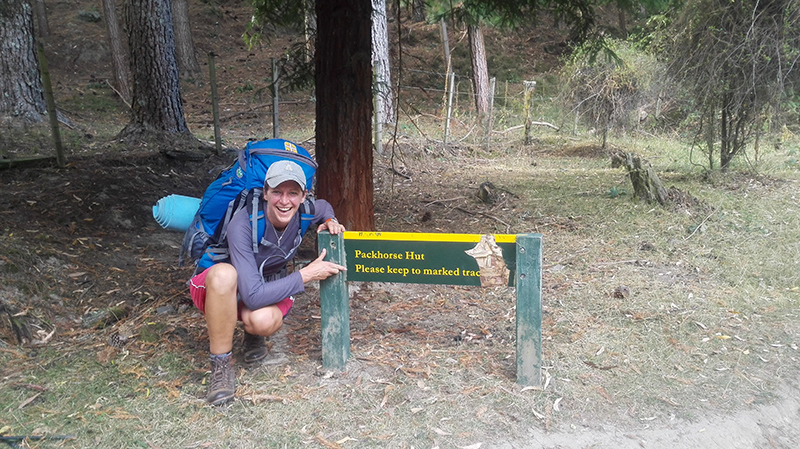
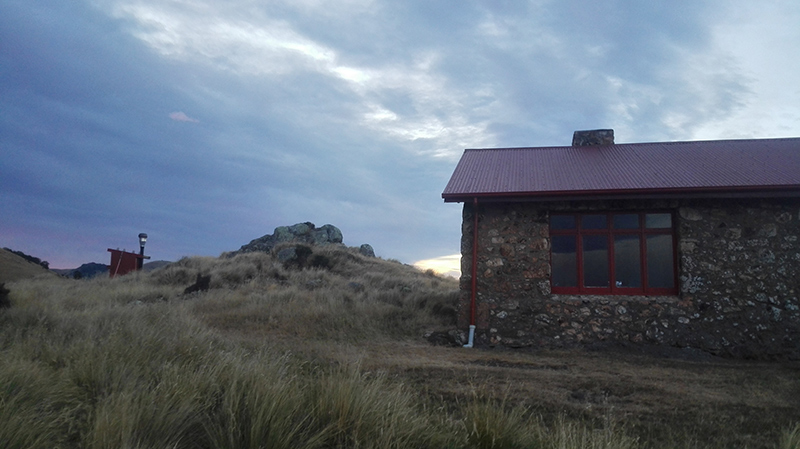
We had to hike all the way back to that first marker and then continue to follow the markers up to the hut. What should have been a short, straightforward walk turned into a 3 1/2 hour hike. It was lucky that we got to the hut with enough daylight for me to pitch my tent as the stew that I'd made heated up. I wouldn't normally carry something as heavy as stew (or the half litre of wine that I also packed), but I thought it was going to be a short walk.

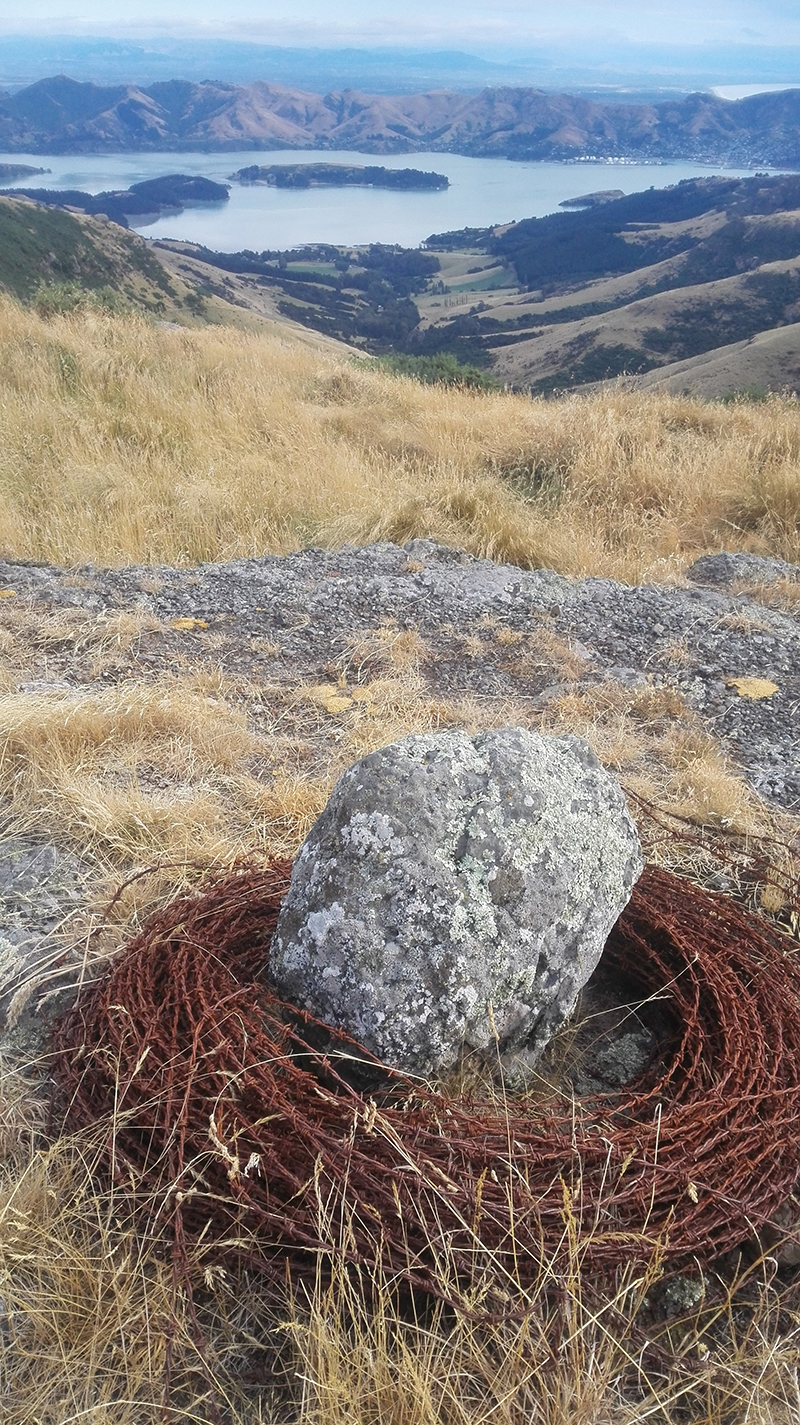
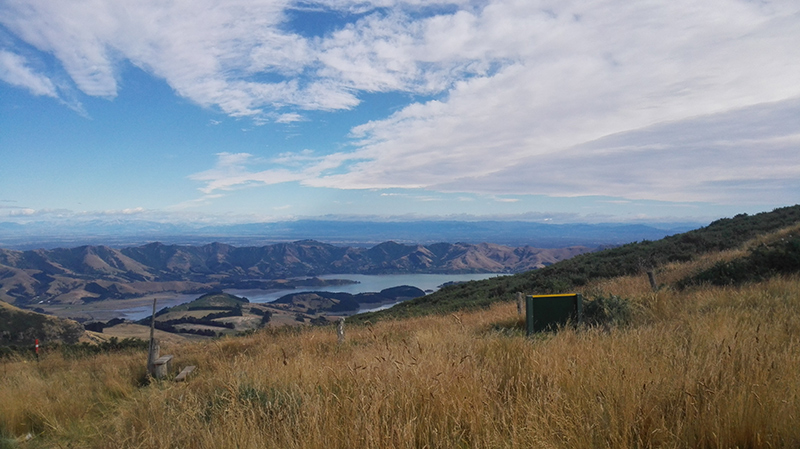
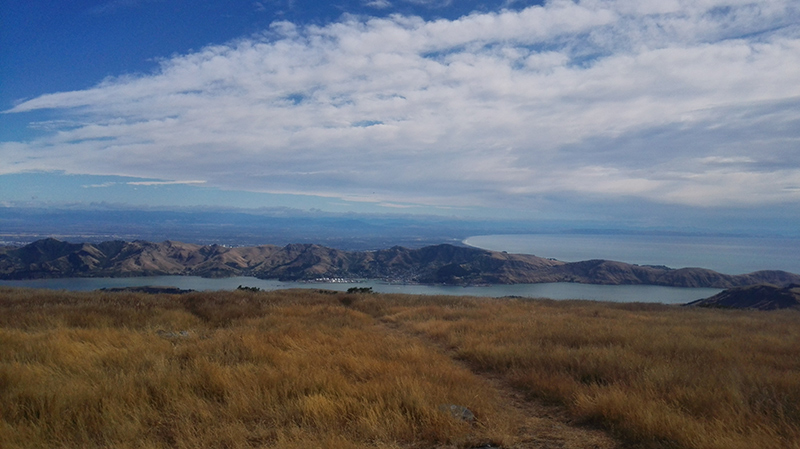
Camping at Sign of the Packhorse - looking out over Lyttelton Harbour
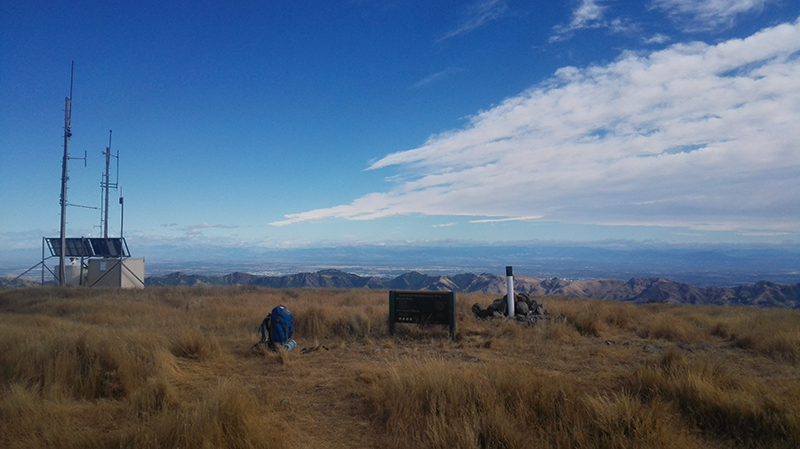
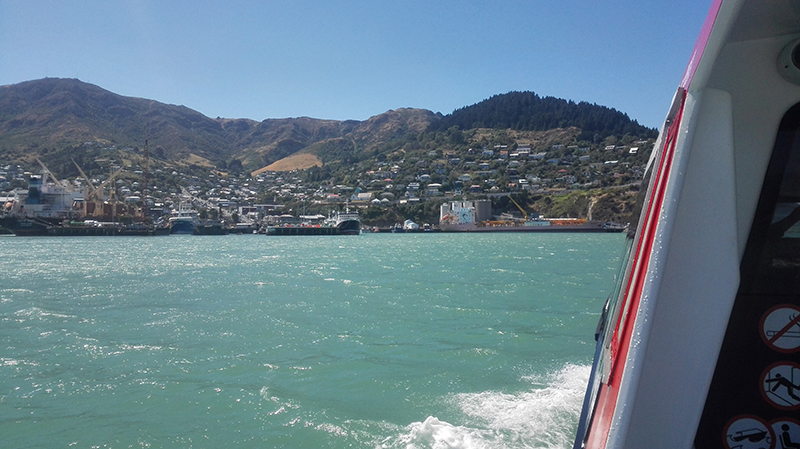
The night was super windy and I didn’t sleep well, but at least the tent survived. The next day was glorious as we walked on to Mount Herbert and my pack was considerably lighter. But it's a long slog down (over 8 kilometres after the 7 plus walked from the hut to Mount Herbert) from the summit to Diamond Harbour and I was relieved to get on the ferry and hobble the last kilometre home (stopping off for a beer at the cafe and a swim at the wharf).