

Living in New Zealand: The Moa

Click to see options for using the image
One of the great things about tramping in New Zealand is that you don't have to worry about animals that might kill you (there are plenty of other things that could kill you when hiking in New Zealand, but none of them are animals). The moa became extinct when humans arrived in New Zealand in the middle of the last millennium. It might not have killed anyone, but it would have frightened the bejeezus out of me to come across it on a walk.

Living in New Zealand: What Should Have Been a Short Tramp up to Sign of the Packhorse

Click to see options for using the image
When an Australian friend of mine arranged to come and visit us for a few days, I thought it would be nice to go on a classic New Zealand tramp. My friend is not used to hiking long distances (and neither am I at the moment), so I decided that the walk up to Sign of the Packhorse hut via the Kaituna Valley would be a good choice. This hike is popular with families taking their children tramping for the first time. It should take only about an hour and a half to walk from the car park to the hut. If you go to the right way. Which we didn't.
It was totally my fault as chief navigator. I was complacent about following the trail because of its apparent ease. I read the description rather than looking at the map and when I saw the first marker and a farm track going left I thought that was the farm track we were supposed to follow. In fact the well-marked track continued straight on. It was only as we were nearing the summit that I realised that the Remarkable Dykes were on the right when they should've been on the left.
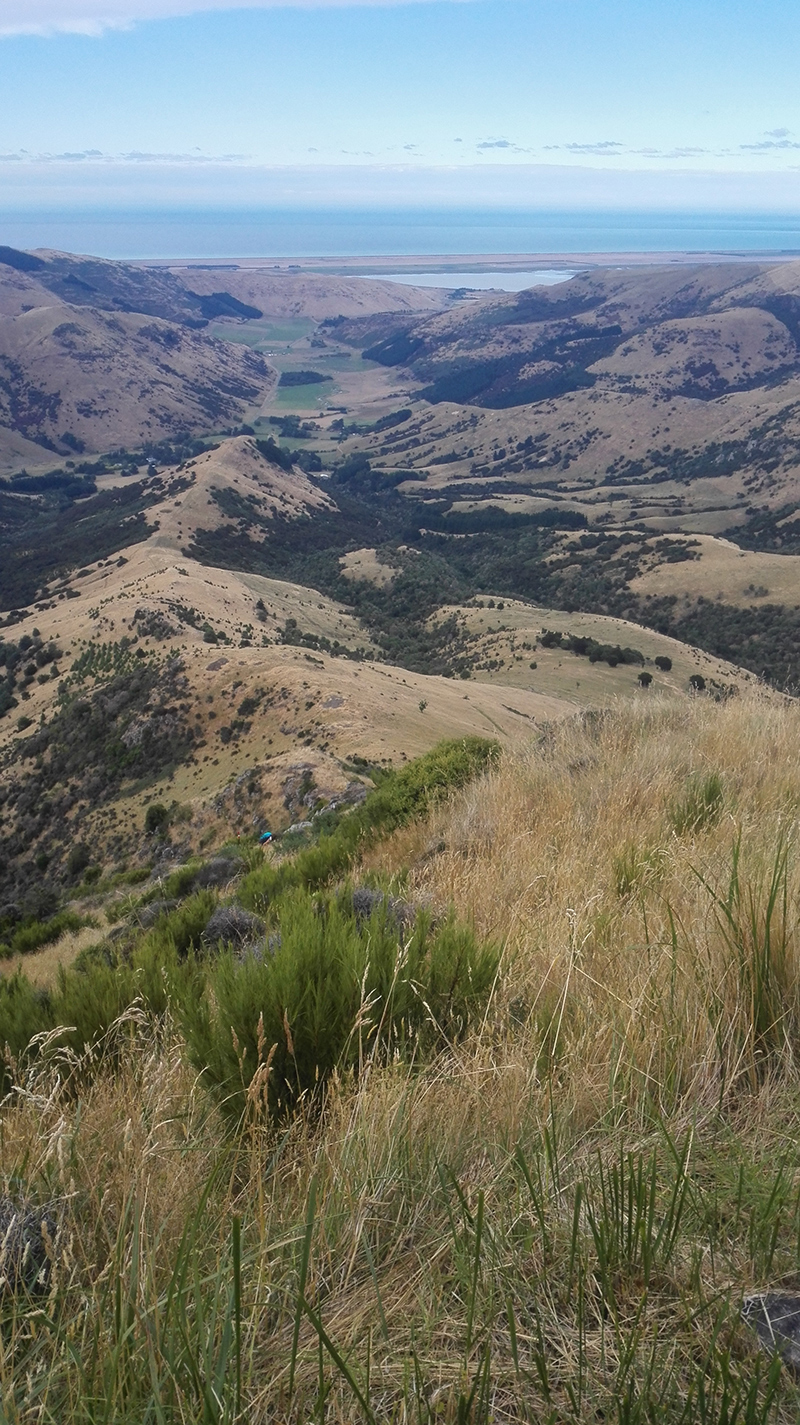
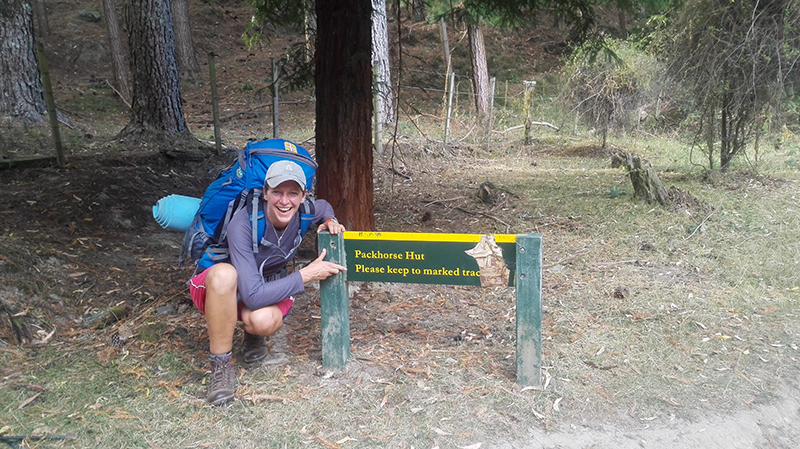
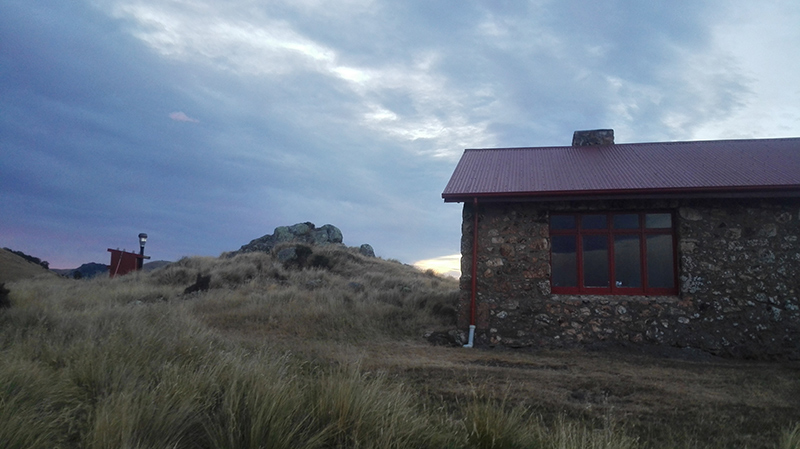
We had to hike all the way back to that first marker and then continue to follow the markers up to the hut. What should have been a short, straightforward walk turned into a 3 1/2 hour hike. It was lucky that we got to the hut with enough daylight for me to pitch my tent as the stew that I'd made heated up. I wouldn't normally carry something as heavy as stew (or the half litre of wine that I also packed), but I thought it was going to be a short walk.

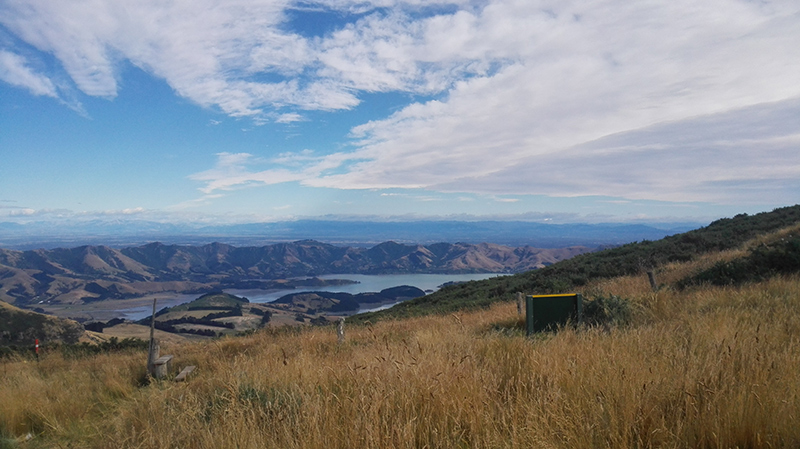
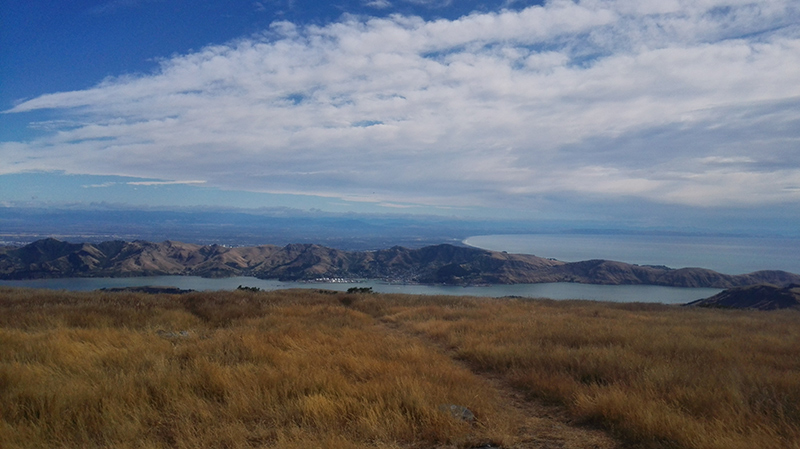
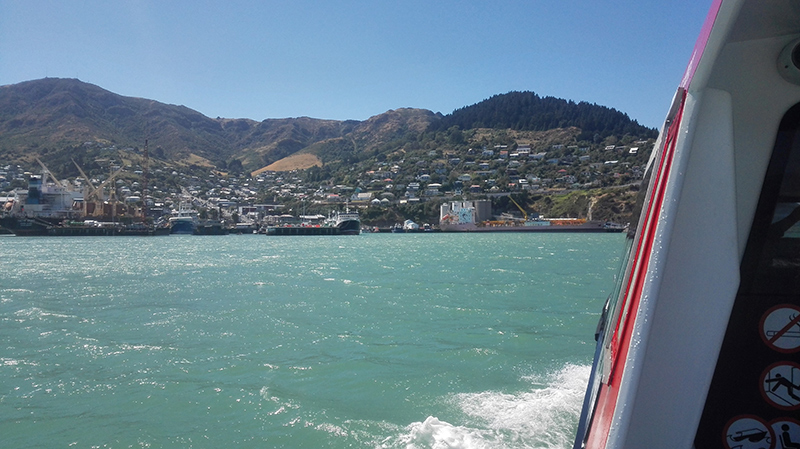
Camping at Sign of the Packhorse - looking out over Lyttelton Harbour
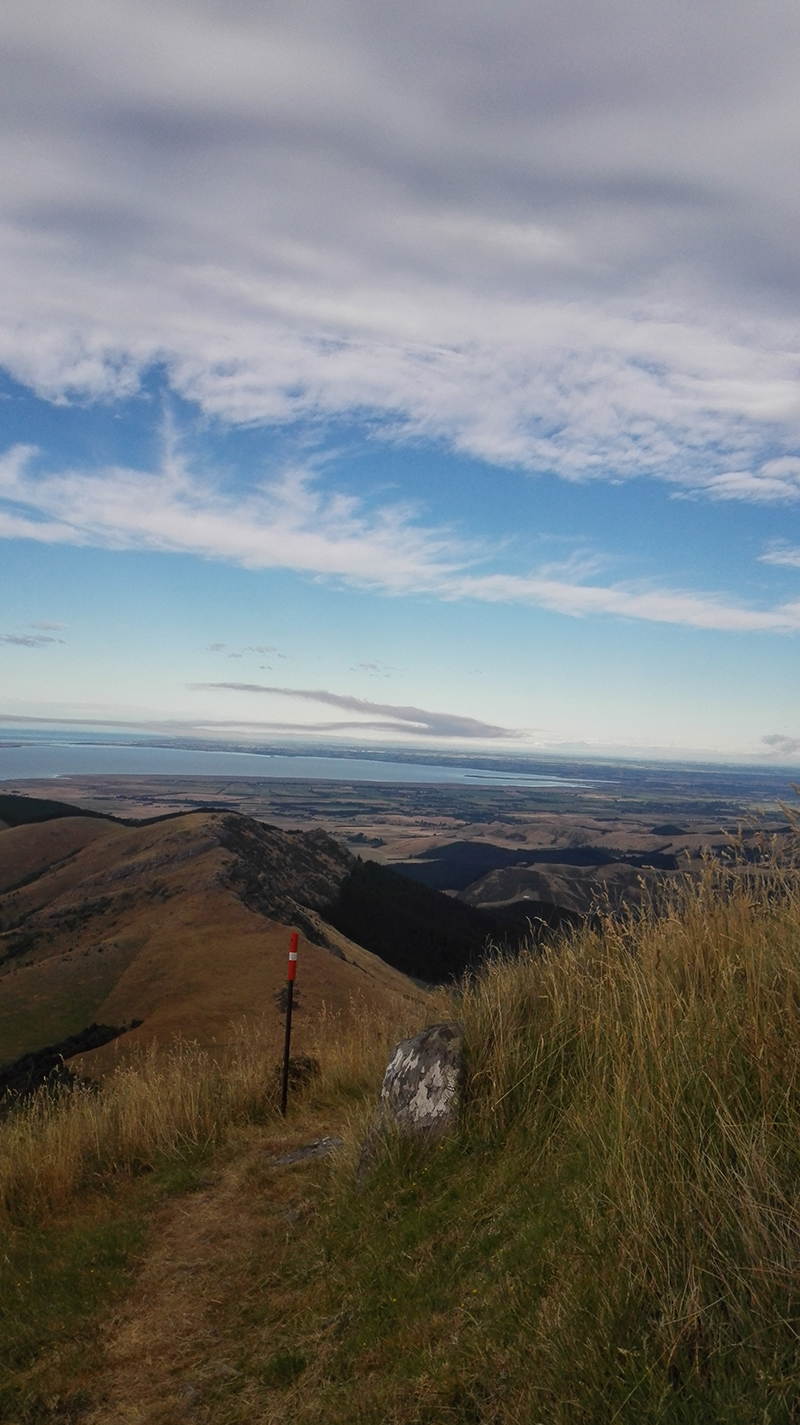
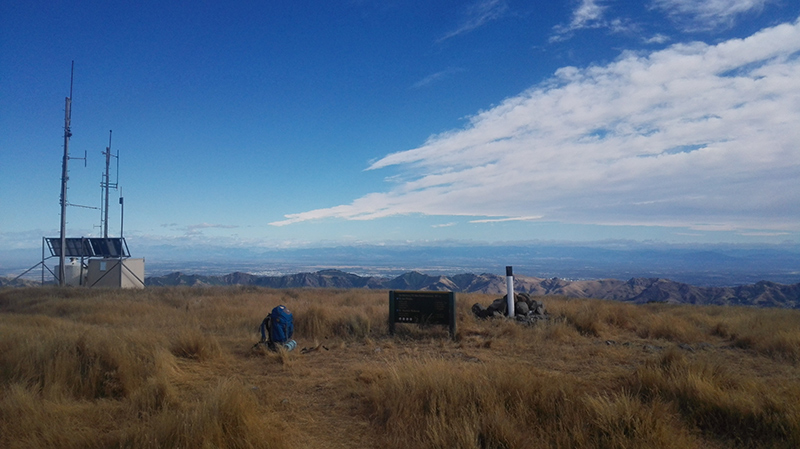
The night was super windy and I didn’t sleep well, but at least the tent survived. The next day was glorious as we walked on to Mount Herbert and my pack was considerably lighter. But it's a long slog down (over 8 kilometres after the 7 plus walked from the hut to Mount Herbert) from the summit to Diamond Harbour and I was relieved to get on the ferry and hobble the last kilometre home (stopping off for a beer at the cafe and a swim at the wharf).

Arctic Circle Cartoon - How to Fix the Internet

I am enjoying my social media-free month. My other half tells me anything I need to know from Facebook. I am able to focus on the more important things and I definitely feel less stressed. I have a feeling I would have even more time to do meaningful work if I switched off the Internet. But then I wouldn't be able to send my work, so I guess there are limits to how much you can go offline.

Living in New Zealand: Gordon Walters at the Christchurch Art Gallery
I love a lot of contemporary New Zealand art (Colin MacCahon, Rita Angus and Lyttelton’s Bill Hammond) to name some off the top of my head), but this week was the first time I’ve been able to see Gordon Walters’ work en masse and it was really inspiring. The way he processed the Maori culture that surrounded him and the modern art he was seeing into his own, distinctive style was reminiscent of Bridget Riley’s monochrome geometric work, but I think it predates it.

Gordon Walters at Christchurch Art Gallery
I wish I had more time to go to Christchurch’s Art Gallery, as it has fantastic exhibitions and I always come away with something new in my head.


Study for Waitara (my favourite)

An early work: Chrysanthamen

The Poet: Gordon Walters was very influenced by Maori and Aboriginal rock drawings


