
Reasons to Be Cheerful - Socca Bread is a Grain-Free Alternative to Wraps, Pancakes and Pizza Dough

Click to see options for using this image
I have a few inflammatory things going on and in an effort to appease my gut microbiome I have embarked on a grain-free diet for three months. I'm about halfway in and so far it hasn't made any difference, which is either really annoying or a relief, depending on how you look at it.
Since grains are in most of the carbohydrate portion of our diet (bread, pasta, rice, etc.), apart from potatoes, it is a bit of a challenge. So I was delighted to find a grain-free alternative to things like pancakes and wraps. Socca bread is made with chickpea (garbanzo) flour and tastes brilliant (when you haven't had anything like bread for weeks).
The recipe is simple: one and a half cups of chickpea flour, one and a half cups of water, 3 tablespoons of olive oil (plus a little more to cook with, or you can use coconut oil to cook with) and a bit of salt and pepper. The key thing is to gradually add the liquid so it doesn't get too lumpy and then to whisk it so that there are a lot of bubbles which helps the texture of the pancake. The batter is super runny, but it works. And it makes a brilliant pizza base, which I prefer to the regular kind.


The socca batter is really really runny and that’s okay
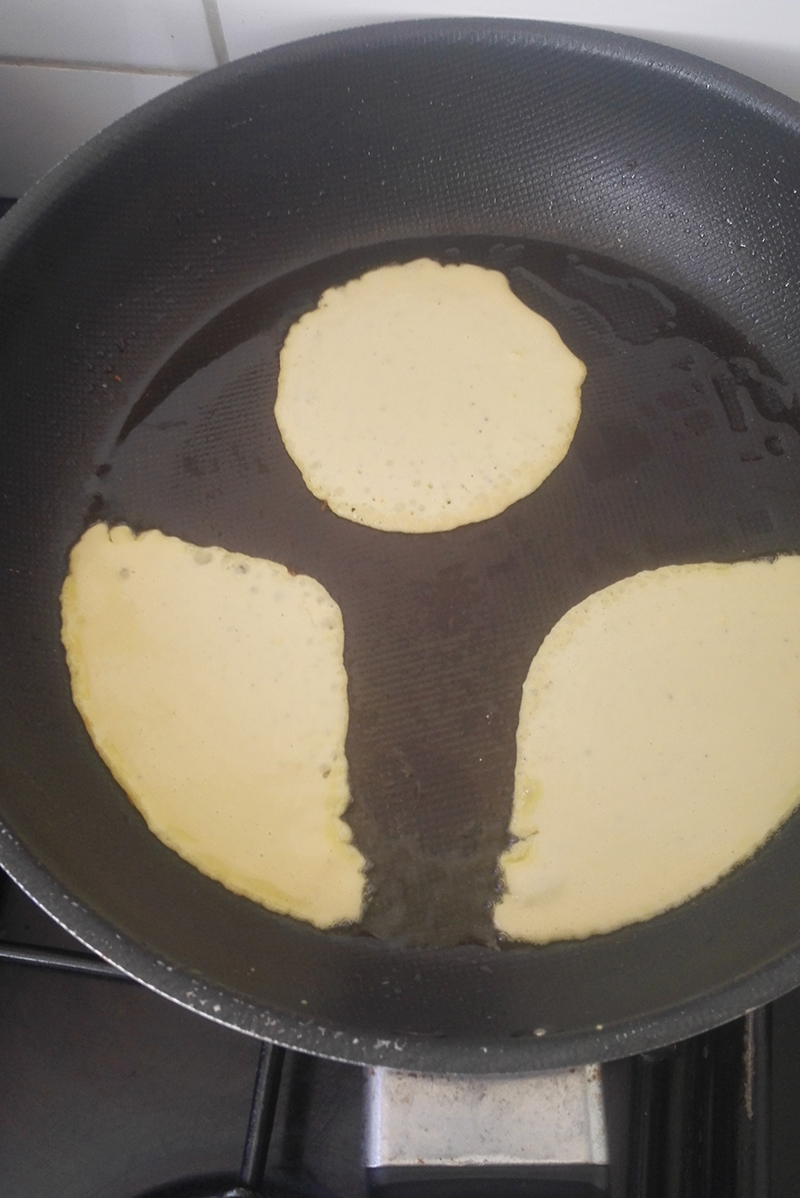
I make little ones for spreading with peanut butter, etc.

Big ones can be used for a pizza base. It is best to loosen with a knife or spatula before flipping.
Living in New Zealand: Tuataras are Cute

Click to see options for using the image
Tuataras have been kicking around for a long time. They were a top predator in New Zealand before people arrived with their associated rats and other pests. I’ve only seen a tuatara in a zoo (in Invercargill. I think his name was Henry). But I have drunk a tuatara beer and it was lovely.
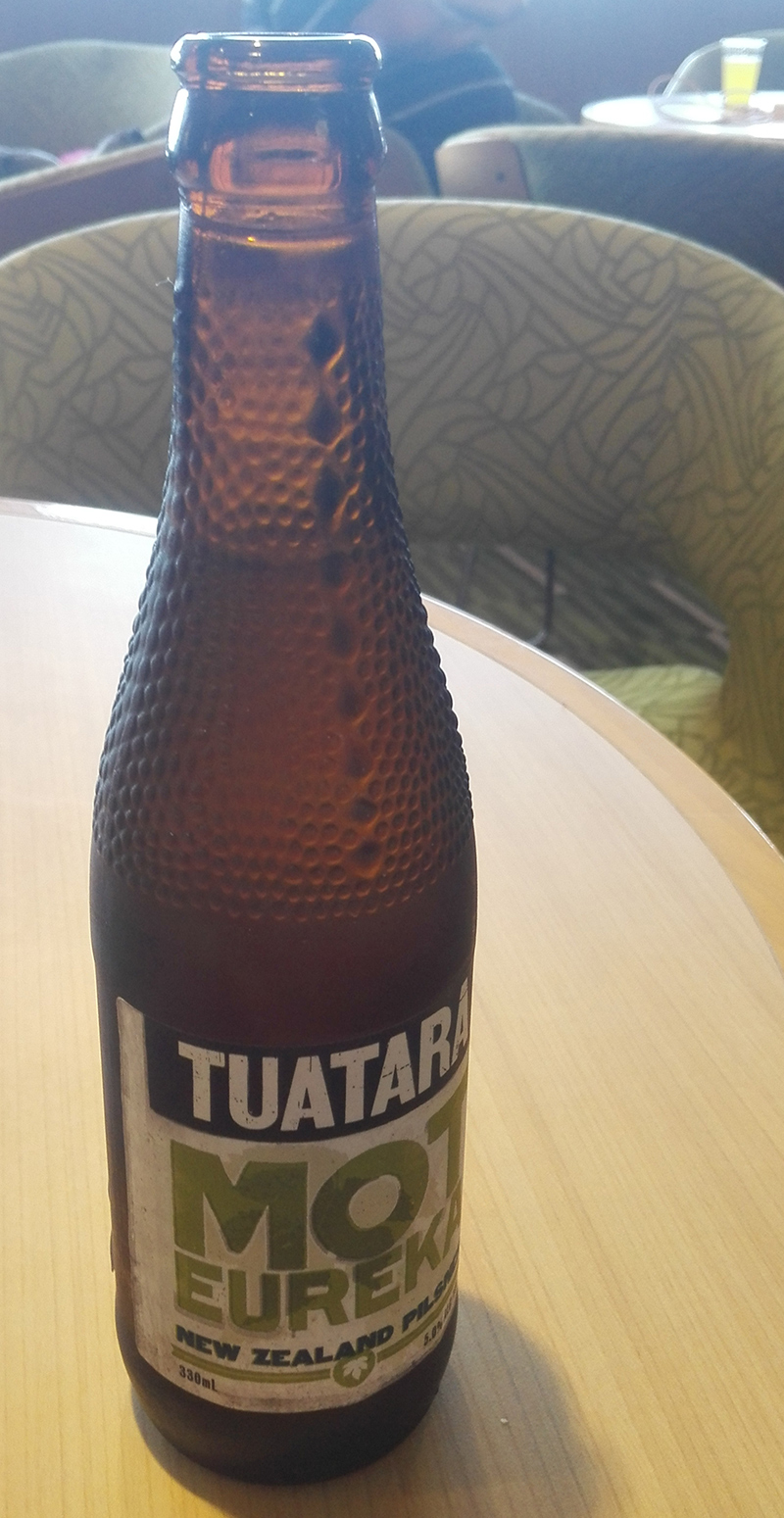
I love the design of the glass bottle that tuatara beer is in.
Living in New Zealand: Taking a Trip to Otamahua Hut on Quail Island

Click to see options for using the image

My inflatable paddleboard and all I needed for my overnight stay (including sleeping bag, food and cooking gear)

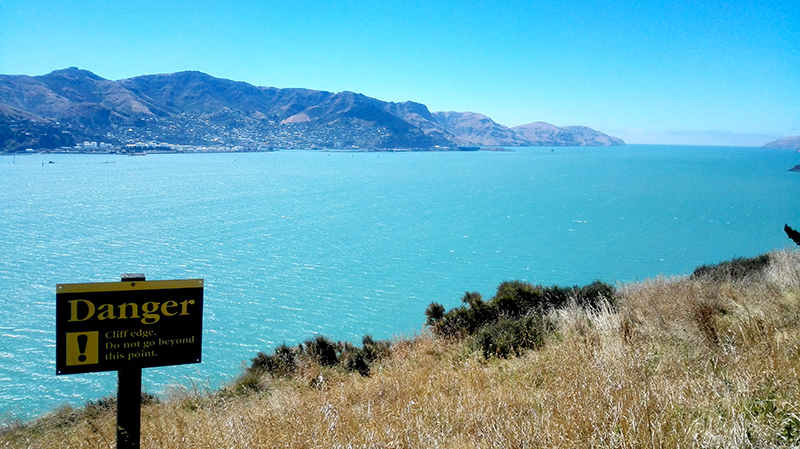
The view of Quail Island from Naval Point, Lyttelton - a good boat ramp to leave from
Quail I Island is in the middle of Lyttelton harbour. Māori called Quail Island “Ōtamahua”, the ‘place to gather sea-bird eggs’. None of that happens now, but I saw plenty of seabirds on the surrounding rocky reefs as I paddled over: terns, cormorants, oystercatchers and black-backed gulls with their young.

Click to see options for using the image
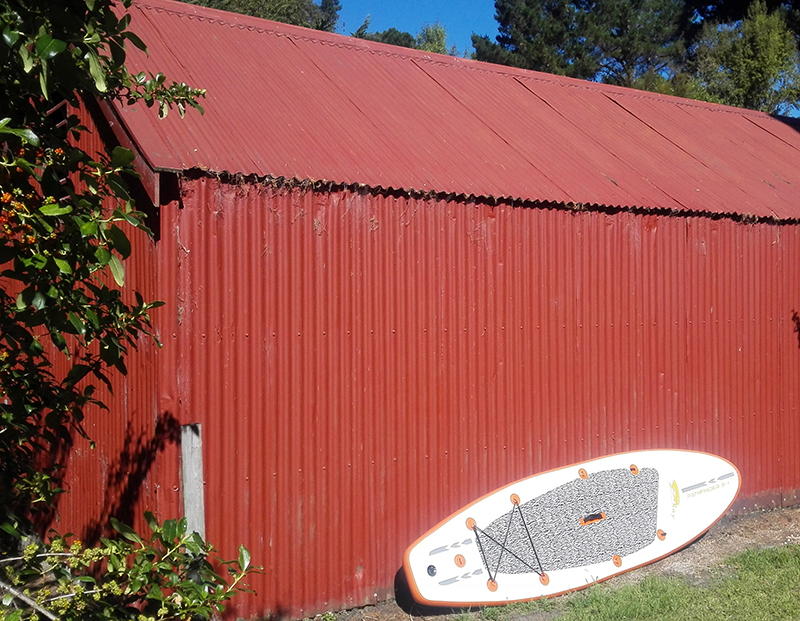
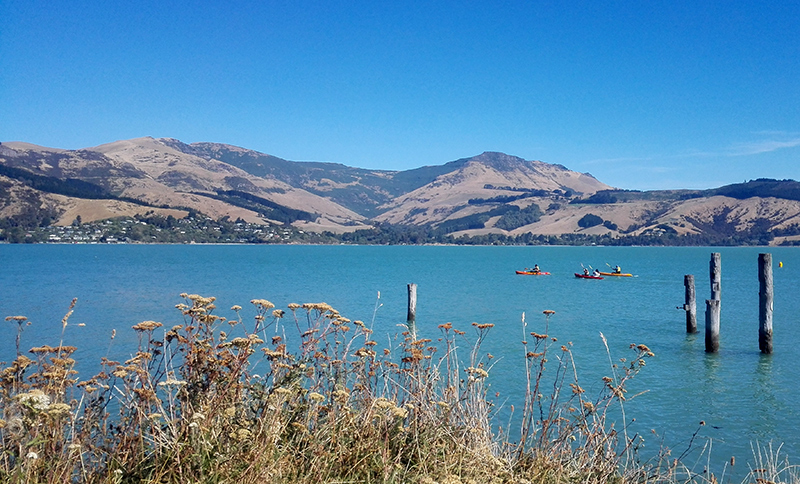
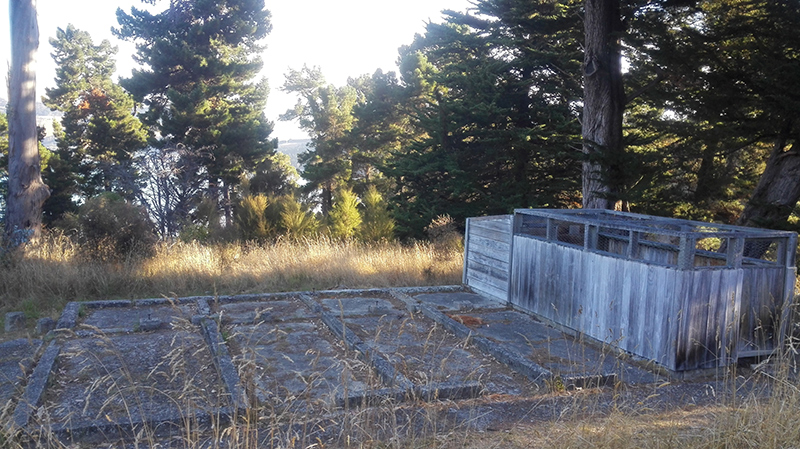
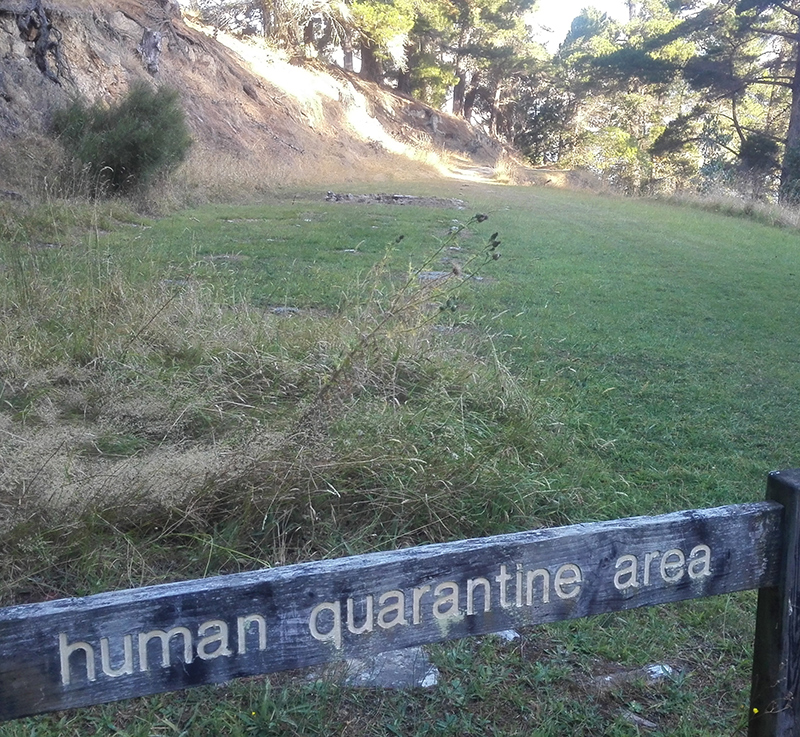
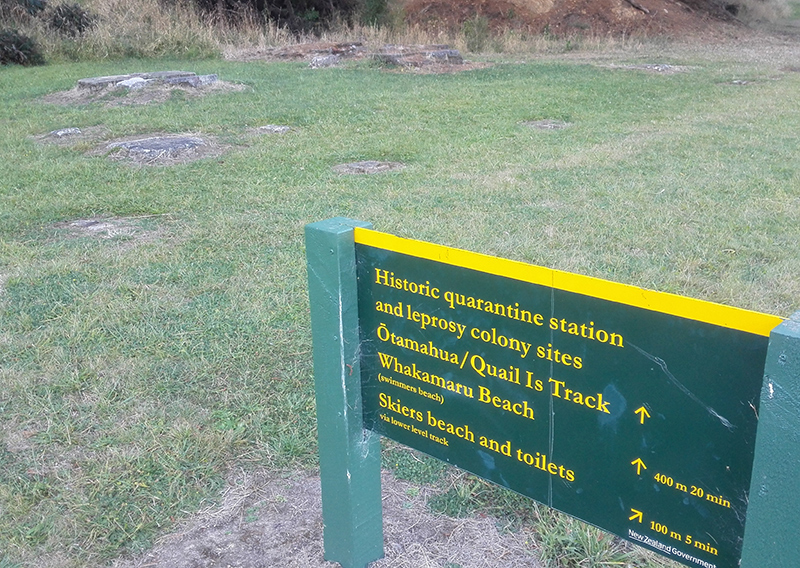
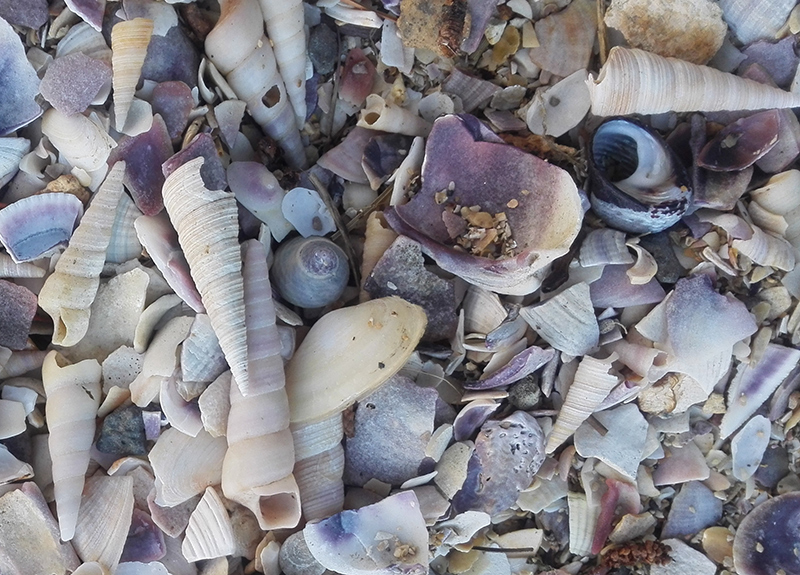
When I got to the wharf, it was low tide, so I rock-hopped to the track. I stashed my board on the way up to the hut, behind the old stables.
Quail Island was first settled by Europeans in the 19th century as a place to farm, but became a useful place for the new colony to quarantine animals and humans (Including lepers. Read more of the history at https://nzhistory.govt.nz/media/photo/quail-island ). These days no one is kept there against their will, but you can go over on the ferry and either spend half a day exploring the history, plants and birdlife, and little beaches, or stay overnight at the newly refurbished hut. It costs $30 return to take the ferry from Lyttelton, but it’s an easy paddle in a kayak or on a stand up paddle board, if conditions are right. It took me just over half an hour to get there and about 40 minutes to return. The harbour is usually much calmer first thing in the morning, so it pays to time your paddling for this if this is the way you are going to go.

Click to see options for using the image
The history of Ōtamahua Hut according to the Department of Conservation (DOC):
The hut was built between 1910 and 1920 for the animal quarantine station caretaker by the Department of Agriculture. It was used as a caretaker’s cottage up until the early 1980s. Between 1906 and 1925, the caretakers provided cooked food for the lepers. In 1982, the hut was converted into the Island’s interpretation centre.
The hut was refurbished for the public to stay in very recently, being opened at the beginning of November 2018. You have to book to stay overnight, either going to the DOC website here, or calling into one of the DOC offices. A bunk costs $15 an night and there are 12 bunks in the hut.

Update: Though there are DOC hut rules there isn’t one about not brewing beer. https://www.nzherald.co.nz/nz/news/article.cfm?c_id=1&objectid=12219732

Click to see options for using the image
I’ll definitely be going back. Hopefully when no one else is there.

Swimmers’ beach

View of Lyttelton from the bunk room (each room has 6 bunks). Our house is behind the large white oil tanks on the left.
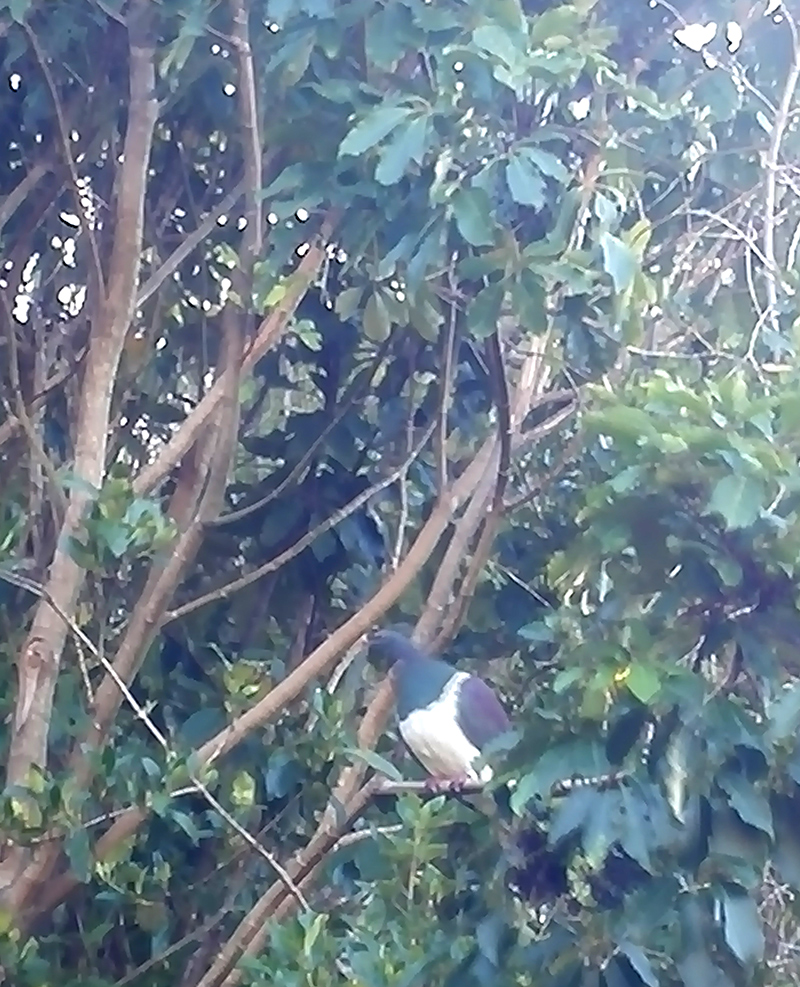
My phone doesn’t take great pictures, but there is a lot of native bird life on the island. This is a kereru (wood pigeon)

I love the way they have used branches in these shelves

My niece would love this rope swing, though it is a little tame for her.

Looking back to Lyttelton from the wharf at night.

The morning of my return to Lyttelton: a good time to paddle.
Living in New Zealand: Fur Seals

Click to see options for using the image
New Zealand first seals were hunted to the brink of extinction in the early 19th century (it seems most of the early settlers came to NZ to kill whales or seals). Now they litter the rocks in places like Ohau point near Kaikoura. There were lots of pups and when we stopped there in January. This is great to see as the colony was badly disrupted during the 2016 earthquake and subsequent rockfalls when more than 40 seals were killed. It took a year for the coast road to be repaired (during which seals had to be moved) .
You can also go swimming with seals in Kaikoura. I did this when I was a backpacker in 1996 and it was one of the best experiences of the two months I spent in New Zealand. The seals are very playful, like underwater dogs. It is amazing to get so close to them. This is something that is not recommended when they are on the shore, where they become very territorial.
More information on fur seals here.