Living in New Zealand: Motueka

Click to see options for using the image
Spending two weeks in the Motueka area, I was struck by how much the landscape is dominated by agriculture. Many of the hills are covered in pine forest and the flat lowlands are devoted to orchards of apples and kiwifruit and strings of hops.

Kiwifruit vines

Strings for hops
The commercial orchards require a lot of chemical input. There used to be a factory at Mapua that made agricultural chemicals, many of which have been banned.
As reported by New Zealand Geographic:
…this sad and barren land is a highly toxic waste area laced with agricultural poisons strong enough to kill the hardiest plague of insects. Lying empty and abandoned since 1988 when the Fruitgrowers Chemical Company (FCC) finally closed after 56 years of manufacturing a cocktail of toxic agricultural chemicals and pesticides, the site has sat unused and unusable.
The legacy of the factory is still being felt with contaminated land that cannot be used for home-grown vegetables (as instructed by a recent letter from the council to residents). And it can’t be a coincidence that there are very few mosquitoes or sandflies around Mapua…one of the nicer side effects of being near a toxic chemical plant that has contaminated land and water far beyond the confines of the area that has been remediated .
The best parts of Motueka are down by the estuary, the grandly named Port Motueka. If you look past the Talley's seafood processing plant and head office, you can see the beauty of this tidal landscape.

Motueka estuary and the Janie Seddon
And the river is beautiful.


Though the narrow bridge is pretty hairy to cross, especially with so many big trucks around.
The Coastal Cafe is a good place to be on a dry day. It makes excellent coffee and you can watch the birdlife amongst the boats.

And you can wander up the coast to see the wreck of the Janie Seddon, which was scuppered in the 1950s and is gradually being reclaimed by the estuary.

For more on the history of the Janie Seddon, head here.
Reasons to Be Cheerful - A Writing Retreat Near Motueka Helped Me Finish My Book

Click to see options for using this image
I spent the last week of June and first week of this month in a cabin at the top of the South Island. A change of scenery can be inspiring, as long as there aren't too many distractions and I can maintain some kind of routine.

The cabin was wonderfully cosy

I pre-prepared a lot of meals and brought a toaster and pressure cooker to make other quick ones!

Books to put me in a middle-grade mindset

My dictation and reading area…

…with a view of nature and the sound of birdsong
Being close to nature helps to clear my mind and being able to exercise in it helps me generate ideas, or solve problems.

Part of my brainstorming walk up hill
A couple of years ago I wrote FAB Club 2 in Tenerife, where I was able to swim every day in a tidal pool (Motueka does have a tidal pool, but it wasn’t really warm enough to swim!). This time the location near Motueka was surrounded by native bush with a convenient hill to walk up and I was able to cycle into town for supplies or to go to a cafe. I was also able to take time out and meet up with my friend who lives in Mapua.

The cabin is in the centre of this photo (note the neighbours who have bare land, orchards, or plantation forest).
I am sure that the location helped my subconscious produce the story that it had been thinking about for the last year. I am very excited about this book and I can't wait to see what my niece and nephew think before I send it out to my editor.

Arctic Circle Cartoon - Going Plastic Free


Plastic pollution is a problem everywhere and particularly near waterways. And sending it to landfill isn't the answer, as New Zealand found out recently when heavy rains caused a huge part of a landfill to be washed into the Fox River. You can find plastic on nearly every beach in the world. Even on the relatively pristine beaches near New Zealand's Abel Tasman National Park. I went to Stephen's Bay yesterday.

Stephen’s Bay

Stephen’s Bay beach
It's a small beach, but I still picked up a couple of pieces of plastic (the packaging was something I found en route to the beach).


The best way to prevent single use plastic ending up in the ocean is to not buy it in the first place.
Since it is plastic-free July, I'm going to try not to bring any new plastic into my life this month. The challenges so far have been contact lens solution, which only comes in plastic bottles (I will make the one I have last longer by wearing my glasses more), and crisps. Crisp packets cannot usually be recycled. I love crisps and it is hard to make them from scratch without a deep fat fryer. But I discovered that Proper Crisps (based in Nelson, near where I'm staying at the top of the South Island) have released a crisp packet that it is biodegradable.
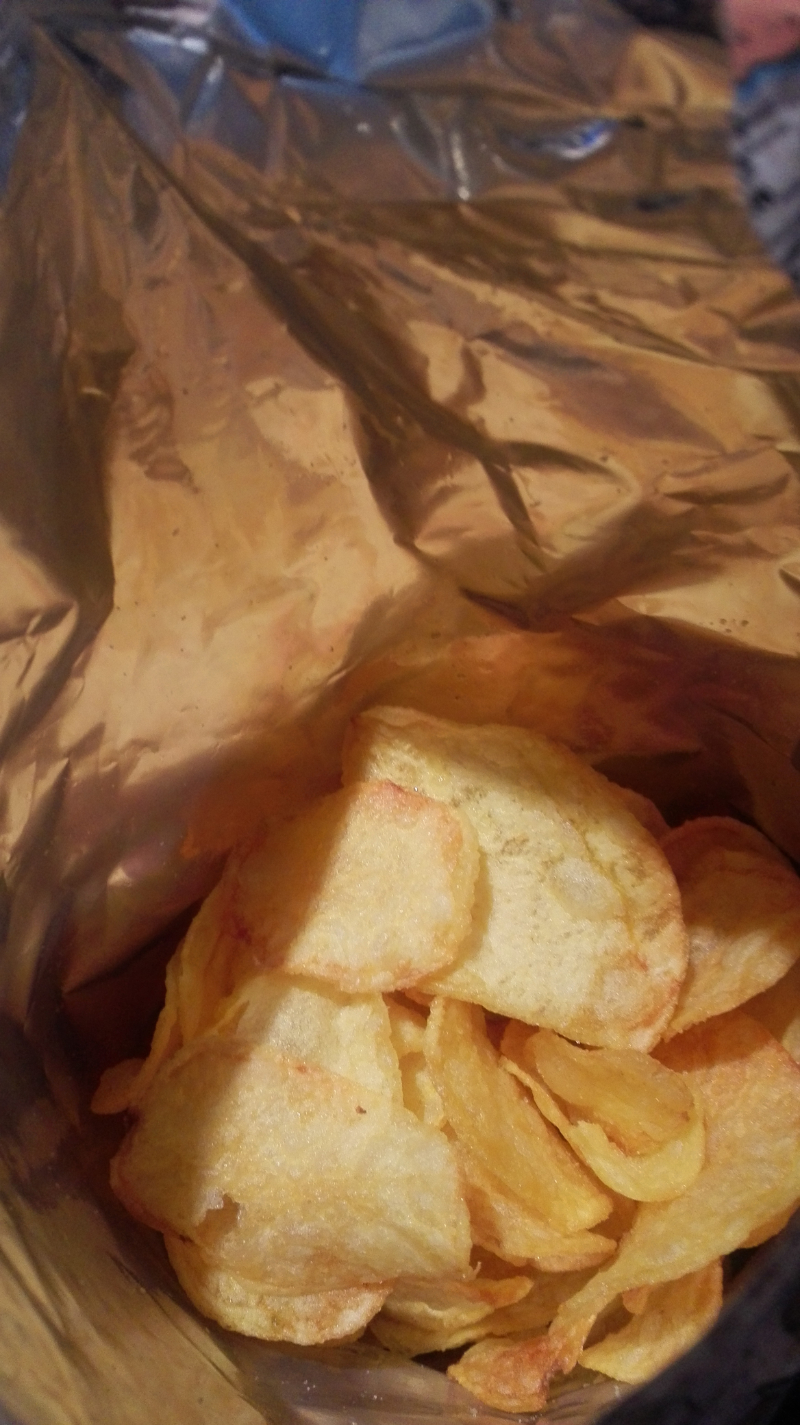
I'm amazed to see if that it even looks like foil inside.
Is this really going to break down in my compost? Watch this space.

I saw this by the beach too. Although it looks manmade, it is actually a basket fungus!
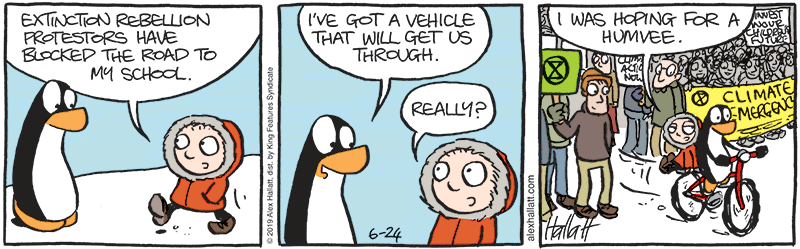
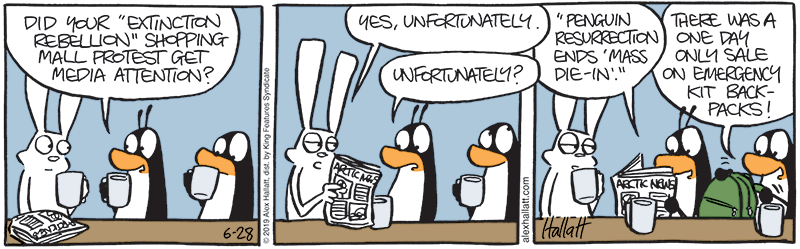
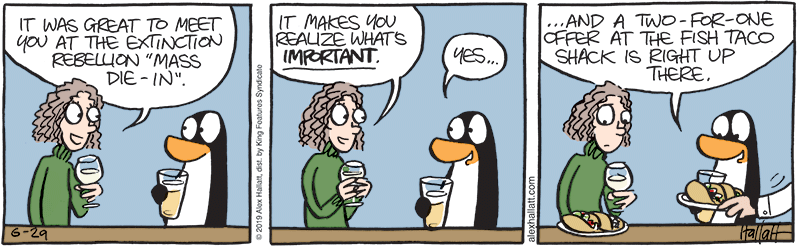
Arctic Circle Cartoons - Inspired by Greta Thunberg and the Extinction Rebellion
It is amazing how one girl has done more to inspire the western world to act than countless other protesters. And I admire (and took part in) Extinction Rebellion’s peaceful protests.